


Last Updated: November 4, 2026
Quick Summary
The best energy efficient home appliances for families are ENERGY STAR-qualified models that use 10% to 50% less energy than older counterparts, chosen by comparing the yellow EnergyGuide label's annual operating cost for each specific model. Size the refrigerator to your family and check ratings by system type before buying.
- ENERGY STAR-qualified appliances use 10% to 50% less energy than older counterparts.
- A family of four generally does well with a 20 to 25 cubic foot refrigerator.
- Induction cooktops deliver about 90% of their energy into food versus 65% for electric ranges.
- A family of four with two bathrooms often needs a 50- to 80-gallon tank.
- More than 70,000 product models carry ENERGY STAR certification, so use it as a filter.
Table of Contents
- How to Judge Energy Efficient Appliances Before You Buy
- Refrigerators and Freezers: The Biggest Electricity Draw
- Washers, Dryers, and Load Sensors That Cut Water Use
- Cooking Appliances: Induction Cooktops and Efficient Ranges
- Dishwashers, Water Heaters, and Heating and Cooling Equipment
- ENERGY STAR Certified Appliances and What the Label Proves
- The Energy Saving Home Improvements Tax Credit and Appliance Rebates
- Small Efficient Gadgets That Trim Power Use Room by Room
- Frequently Asked Questions
How to Judge Energy Efficient Appliances Before You Buy
The best energy efficient home appliances for families are the ones that cut monthly utility bills without sacrificing capacity, and the numbers back that up: ENERGY STAR-qualified appliances use 10% to 50% less energy than their older counterparts, according to Barfoot & Thompson's 2026 appliance efficiency report. At Jackie's Attic, we spend a lot of time around small efficient gadgets, so we know how much the label details matter before checkout.
Start with the yellow EnergyGuide label. It estimates annual energy use and operating cost for that exact model, which lets you compare two refrigerators side by side instead of guessing from the sticker price.
Read the Yellow EnergyGuide Label First
The EnergyGuide label is a government-required tag that estimates yearly electricity consumption and cost for a specific model. Compare the estimated annual operating cost against your current appliance, not against the cheapest model on the floor. A unit that costs $200 more upfront but runs $60 cheaper per year pays for itself in a little over three years.
Refrigerators and Freezers: The Biggest Electricity Draw
Refrigerators run 24 hours a day, so they usually top the list of household energy hogs. Configuration matters: a French-door refrigerator with a bottom freezer keeps cold air contained when you open the door, while a top-freezer model is often the cheapest to buy and run in smaller sizes.
Size the fridge to your family, not to your kitchen's empty wall. A family of four generally does well with 20 to 25 cubic feet; a household of two rarely needs more than 18. Buying oversized capacity wastes energy cooling empty space.
Washers, Dryers, and Load Sensors That Cut Water Use
Load-sensing washers weigh each load and adjust water fill automatically, which is where most of the savings come from. A high-speed spin cycle pulls more water out of clothes before drying, cutting dryer time and the power that goes with it.
Watch out: pairing a high-efficiency washer with an old dryer can erase the gains. Dryer efficiency depends heavily on moisture sensors and venting, so check both before you replace just one unit.
Cooking Appliances: Induction Cooktops and Efficient Ranges
Induction cooktops deliver about 90% of the energy they produce into the food, compared with roughly 65% for traditional electric ranges, according to Eartheasy's 2026 cooking technology comparison. That gap shows up on the bill every month.
For families that cook daily, induction is the strongest pick. Gas burners lose more heat to the surrounding air, and electric coils take longer to heat and cool. Smaller countertop units like air-frying toaster ovens and microwaves handle quick meals with far less energy than heating a full-size oven.
Dishwashers, Water Heaters, and Heating and Cooling Equipment
These three categories are where family routines and whole-house systems overlap, and each one rewards a different kind of shopping discipline. Treat them separately rather than as a single line item.
Dishwashers: Capacity and Water-Saving Cycles
For a family of four or more, look for a standard 24-inch model rated at 12 to 14 place settings rather than a compact 18-inch unit; a compact model that forces two cycles per day usually erases the water savings. The yellow EnergyGuide label lists estimated annual energy use and cost for the exact model. Run full loads, skip the pre-rinse, and use the water-saving or light-soil cycle for everyday plates, most modern models handle light soil without the heavy cycle.
Water Heaters: Match the Tank to the Household
Water heating is typically the second-largest energy expense in a home after space heating and cooling. Storage tank models are sized by first-hour rating (FHR), which estimates how many gallons of hot water the unit can deliver in an hour of peak demand. A family of four with two bathrooms often needs a 50- to 80-gallon tank or a comparable FHR, while a household of two can usually size down. Tankless units save energy by heating water on demand but can struggle to supply multiple showers and a dishwasher at once, so check the unit's flow rate in gallons per minute against your peak simultaneous demand.
Heating and Cooling: Ratings Vary by System Type
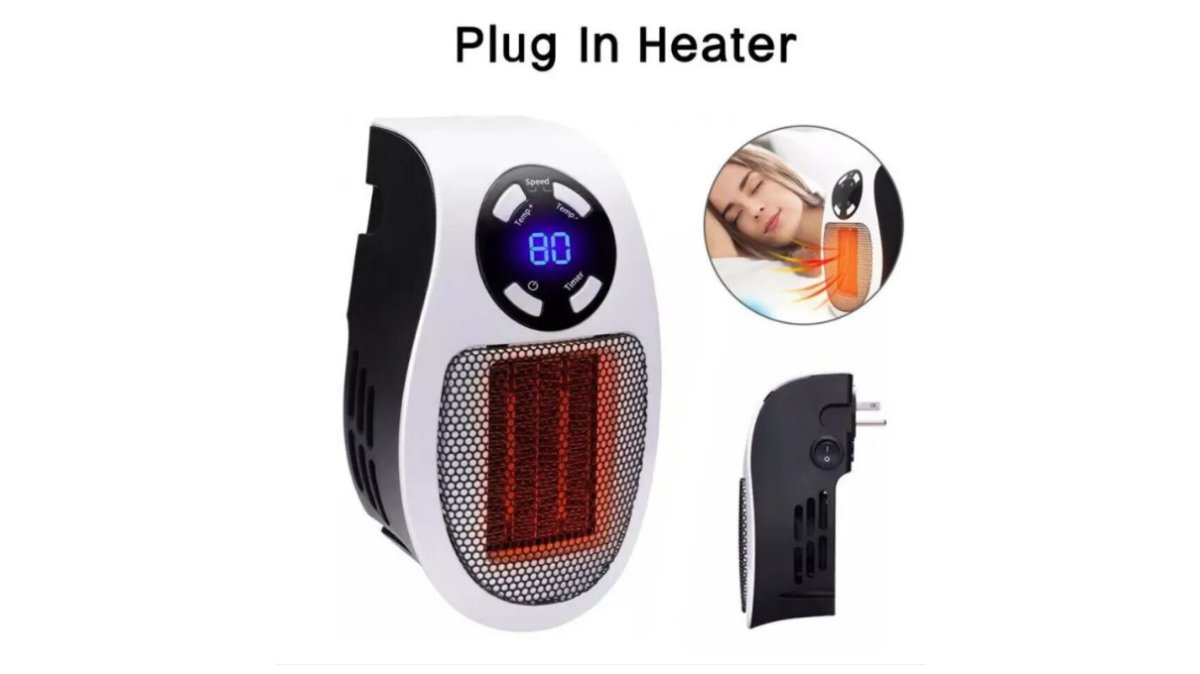
Efficiency ratings are not interchangeable across system types. Central air conditioners and heat pumps use SEER2 and HSPF2 ratings, furnaces use AFUE, and boilers use AFUE as well. A higher rating means lower operating cost, but the right target depends on your climate and how long you plan to stay. For spot heating in a single occupied room, a compact unit like the VersaHeat Portable Wall-Mounted Space Heater at $49.89 warms a small to medium space without heating the whole house, which is often the cheaper move for a home office or a single bedroom.

Watch out: replacing only the outdoor condenser or only the indoor air handler can leave a mismatched system that never reaches its rated efficiency, so plan HVAC replacements as a matched set.
ENERGY STAR Certified Appliances and What the Label Proves
ENERGY STAR certification means a model met the efficiency level set by the U.S. Environmental Protection Agency for its category. More than 70,000 product models carry the certification, according to Palm Beach Appliance's 2026 market overview, so the label narrows the field but does not rank the survivors.
VersaHeat Portable Wall-Mounted Space Heater →
Use it as a filter, then compare EnergyGuide numbers between certified models. Certification proves a model cleared a threshold; it does not prove it is the cheapest to run in your kitchen. If you are weighing whether a pricier certified model earns its premium, our guide on whether expensive gadgets are worth the money walks through that math.
The Energy Saving Home Improvements Tax Credit and Appliance Rebates
Most guides mention rebates in a single sentence and move on. The practical problem for families is that incentives change by program year, by utility territory, and by appliance category, so the only reliable approach is to check the specific model against the specific program before you pay. Here is how to do that without wasting a Saturday.
Federal Tax Credits
Tax credits for energy efficient home improvements are claimed on your federal tax return; check current IRS guidance for qualifying improvements and limits before you file. The U.S. Department of Energy sets minimum energy conservation standards for more than 60 appliance categories and publishes current standards and incentive guidance, which is the place to confirm what applies before you buy.
Utility and State Rebates
Utility rebates are administered locally, so two families in the same state can face different offers. Check three sources before checkout: the manufacturer's rebate lookup, your utility's current offer page, and the retailer's paperwork requirements. A common pattern is that rebates require the old unit to be removed and recycled, and some programs require proof of disposal or a licensed installer's invoice. Renters weighing smaller upgrades can browse affordable smart home gadgets for renters that deliver savings without installing anything permanent.
Documentation Checklist
Before you buy, confirm four things in writing: the exact model number on the rebate eligibility list, the program's application deadline, whether installation must be performed by a participating contractor, and whether the rebate is paid at the register or by mail after purchase. Keep the dated receipt, the model and serial numbers, and any installer invoice together in one folder. If a rebate is processed at the register, the discount usually appears as a line item on the receipt, confirm it before you leave the store.
Watch out: a rebate that requires professional installation can cost more than the rebate is worth if you were planning a do-it-yourself swap, so compare the installed price against the rebate before committing.
Small Efficient Gadgets That Trim Power Use Room by Room
Small gadgets rarely move the needle alone, but they add up room by room. The trick is buying devices that replace a bigger appliance's job rather than adding a new draw.
-
Heating: a portable space heater warms one occupied room instead of the whole house.
-
Charging: a 3-in-1 folding wireless charger at $26.16 charges several devices from one spot.

3-in-1 Folding Wireless Charger -
Air quality: a desktop purifier handles a small workspace without running whole-house equipment.
For a deeper room-by-room plan, our roundup of energy-efficient lighting solutions that cut your electric bill covers fixtures and bulb choices in detail.
| Appliance | What to Check | Typical Saving |
|---|---|---|
| Refrigerator | EnergyGuide annual cost, capacity fit | 10-50% vs. older unit |
| Washer | Load sensor, high-speed spin | Less water and dryer time |
| Induction cooktop | Energy transfer rate | 90% vs. 65% for electric |
| Dishwasher | Water-saving cycle, full loads | Lower water and heat use |
| Space heater | Room-sized output, adjustable settings | Heats one room, not the house |
Families upgrading appliances face a real trade-off: the biggest savings sit in the big-ticket items, but the small everyday gadgets are where you can start today without a delivery truck. At Jackie's Attic, we stock practical, efficient tools that fit that second category, from a portable wall-mounted space heater to compact charging stations that clear cable clutter and cut standby draw. Browse the collection and pick the upgrade that fits your space, then add the next one when the budget allows.
Frequently Asked Questions
What household appliance takes up the most electricity?
Heating and cooling equipment and the refrigerator usually top the list in a family home, because both run around the clock. Cooking and laundry appliances draw big spikes but run for shorter periods. That is why replacing an old refrigerator with an ENERGY STAR model, or tightening up heating and cooling, tends to move the utility bill more than swapping small kitchen appliances. Check the yellow EnergyGuide label on each unit to compare annual energy use before you buy.
How much can a family save by switching to ENERGY STAR certified appliances?
ENERGY STAR-qualified appliances are designed to use less energy than older conventional models. Your own savings depend on the age and size of the unit you replace, local electricity rates, and how much the appliance runs. A family replacing a 15-year-old refrigerator and washer will see a bigger drop than one swapping a single small appliance.
Do energy-efficient appliances really pay for themselves?
Often, yes, but the payback period varies by category. A refrigerator or water heater that runs daily recoups its price premium faster than a microwave that runs a few minutes a day. Factor in rebates and the energy saving home improvements tax credit where eligible, and the gap narrows further. Compare the annual usage cost on the EnergyGuide label against the purchase price to estimate payback. For a family, the biggest wins usually come from the appliances that stay on the longest.
What should you unplug when not in use?
Unplug chargers, small kitchen gadgets, gaming consoles, and anything with a standby light that stays on for hours. These draw power even when idle. Group them on a power strip so one switch cuts the whole cluster. Large appliances like refrigerators and water heaters should stay plugged in. If you want to cut standby waste without rewiring, a smart strip or a folding 3-in-1 wireless charger that consolidates charging in one spot helps keep the clutter and the phantom load down.
Which appliance is most energy-efficient to cook with?
Induction cooktops are generally considered among the more efficient cooking surfaces. That makes induction the most efficient cooking surface for most families. Gas burners lose more heat to the room. If you are not ready to replace a range, a countertop induction unit or an air-frying toaster oven can handle smaller meals with less energy than heating a full oven.


